

They’re in our cars, we touch them almost every day. We pull them, fasten them, adjust them naturally—almost without thinking. They’re the seatbelts. They are the foundation of every safe driving experience, and yet we rarely take the time to truly look at them. They’re there… while dust, sweat, traces of food, bacteria, air pollution and everything else quietly builds up, centimeter after centimeter, accompanying us on every trip—even the shortest one.
It’s not only a matter of hygiene—though that alone would be reason enough for regular cleaning. It’s also about putting functional efficiency and, even more importantly, safety at risk. A neglected, stiff, or stained belt may not slide smoothly, may lock irregularly, may create discomfort while driving—and can stop doing its job properly.
So how do you prevent all this? With periodic, gentle, targeted cleaning. The right gestures, the right products, and a bit of attention are enough—because the seatbelt, being the first line of defense in the event of impact, deserves more respect than we usually give it.
In this guide you’ll find:
- Hygiene that protects the durability of materials
- Safety begins with the smoothness of the gesture
- A simple ritual for long-lasting results
- Care that lives in the invisible details
Hygiene that protects the durability of materials
Seatbelts absorb everything that passes through our hands, our jackets, even our breath: makeup residue, creams, humidity, fine dust. Over time, these particles bind to the fabric, causing dark stains, halos, and unpleasant odors. And above all, they become fertile ground for bacterial growth. In summer, heat speeds everything up; in winter, humidity makes it even more persistent. Just an aesthetic problem? Absolutely not.
A dirty belt is not only unpleasant to see (and unhealthy), it can become uncomfortable to use: stiff, rough to the touch, harder to adjust. Some areas may stiffen to the point of compromising smooth movement through the retractor mechanism. That’s why maintenance should always be done with the right approach and a clean, dry microfiber cloth.
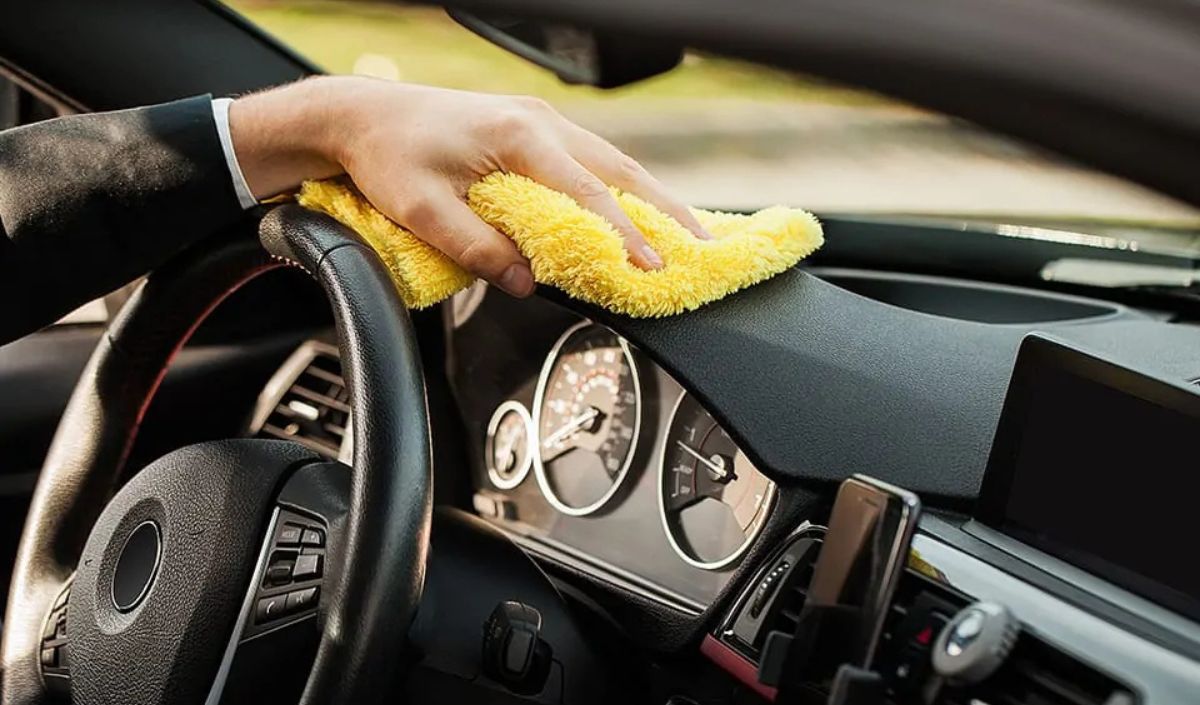
This way, you avoid excessive moisture that could seep into the spring mechanism. Work gradually—centimeter by centimeter—focusing on the most marked areas, but never forcing or scrubbing aggressively. The more delicate the cleaning, the more effective it will be. The result: a fabric with deeper color, softer texture, and a neutral, pleasant smell.
Safety begins with the smoothness of the gesture
Anyone who thinks road safety has nothing to do with seatbelt cleanliness is seriously mistaken. In the event of sudden braking or an accident, the restraint system acts in a fraction of a second. The pretensioner activates, the belt locks, and it holds the passenger’s body with the correct force to reduce the risk of secondary impacts. But what happens if the webbing is dirty, encrusted, stiffened? What if the mechanism can’t move smoothly? A belt in poor condition can reduce the restraint system’s efficiency: it can slow the mechanical response, fail to lock correctly, or leave too much slack in the crucial moment. It’s a risk no dashboard warning light will ever report—yet it can change the level of protection when it matters most.
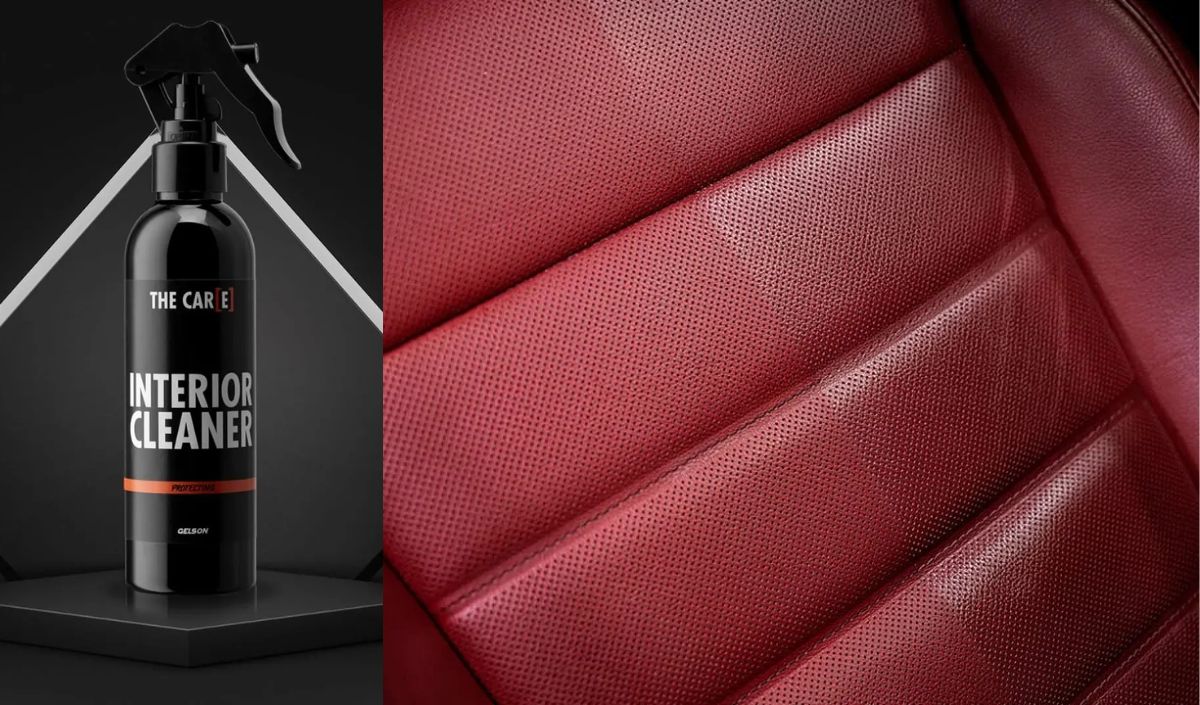
That’s why cleaning seatbelts is not an aesthetic action, but real prevention. Maintaining the belt means keeping fibers flexible, the mechanism free, and functionality ready to protect you and your passengers—every single day. It also reduces the risk of premature replacement, which can be expensive and time-consuming.
And unlike generic cleaners that may be too harsh or degreasing—risking fiber damage or seepage into internal components—using a dedicated interior product helps act gently, respecting every surface it touches.
Doing this maintenance every three or four months is enough, ideally whenever you perform a deeper interior cleaning—because responsibility behind the wheel also passes through these small gestures.
A simple ritual for long-lasting results
Cleaning seatbelts doesn’t require complex tools. Just follow a few steps: gently pull the belt out to its maximum extension, then lock the retractor using a padded clamp (wrapped in a cloth) to avoid damaging the fabric. Protect the surrounding area with a towel to shield seats or nearby plastics. Then apply the product you’ve chosen.
Work on both sides of the belt with slow strokes parallel to the weave, avoiding transverse scrubbing. Stubborn stains should be treated patiently, without forcing. Once finished, remove any detergent residue by drying with a second clean microfiber cloth. Leave the belt fully extended—horizontally—until it’s completely dry. Only then let it retract safely, preventing mold or unpleasant odors. The whole process takes no more than 15–20 minutes per belt.
Because this isn’t only cleaning. It’s protection. Awareness. Care.
Care that lives in the invisible details
Cleaning seatbelts is not a vanity move. It’s a form of attention—restoring efficiency and cleanliness to a fundamental safety device. And when you choose products designed specifically for these surfaces, each treatment becomes a conscious decision. Because a car’s true value isn’t measured only in the shine of its paintwork, but in the constant care of everything that makes it safe, functional, and part of everyday life—even the parts we don’t notice. That’s where the real difference lies: between simply driving, and truly taking care.