
.jpg?1762947118501)
Fine dust, grains of sand, wet earth, leaf residue, even small stains from food or drinks. A dull, stained, or smelly mat can ruin in an instant even the most carefully kept interior. And no, shaking them against a wall isn’t enough to restore their dignity.
Keeping your mats in good condition also means extending their lifespan, preventing early wear, and protecting the surfaces underneath from dirt and moisture. And yet, in the weekly cleaning routine, they’re always last on the list.
- Rubber mats: practicality that still requires method
- Fabric mats: when care becomes precision
- Prevention is better than cleaning
That’s why learning how to care for them properly becomes a true golden rule of detailing. No need to overcomplicate things. You just have to understand the differences between rubber and fabric mats, learn how to treat them, and discover which actions truly make the difference.
Rubber mats: practicality that still requires method
Rubber mats are often considered the “easiest,” but is a jet of water really enough? Not quite. Water alone removes surface dirt, but it won’t eliminate stubborn residues. And then there’s odor: mats are often kept in garages or under the sun, without breathing, trapping that damp smell that’s anything but pleasant.
So how do you clean them properly? First, remove them from the car—because cleaning them inside the cabin risks wetting the carpet and pedals with water and detergent.
A good tip is to take them out and shake them, yes, but only to “remove the bulk of the debris.”
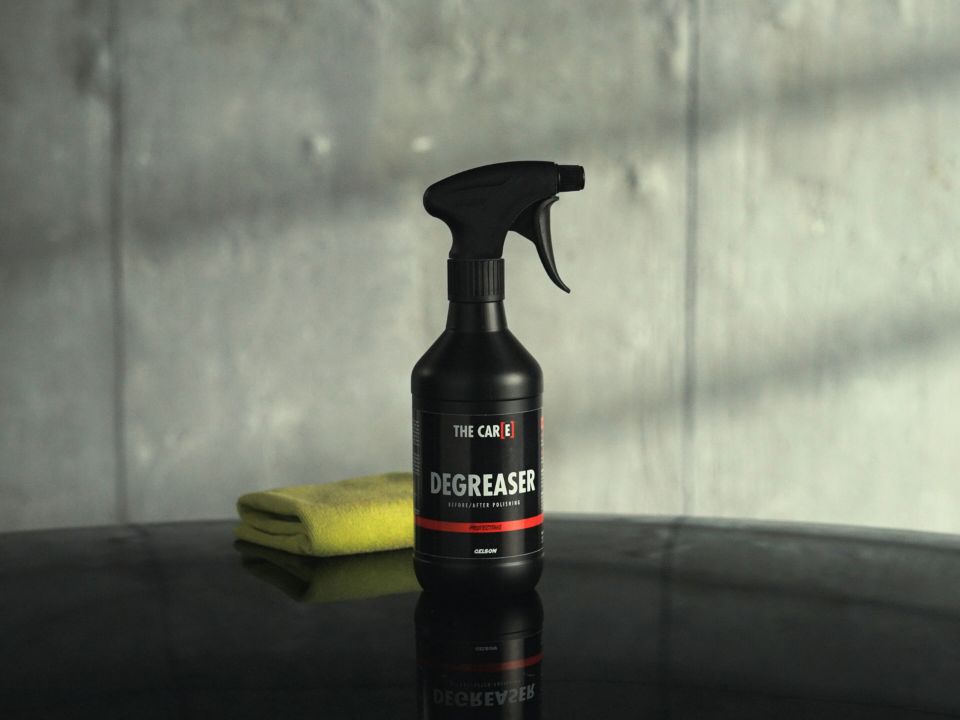
Then you can move on to the real wash with a targeted product such as Degreaser, which dissolves dirt without leaving slippery residues and restores a matte, compact surface. Just spray it directly, let it sit for a few moments, then work it in with a soft-bristle brush or a microfiber cloth such as Microfibre Cloth green—perfect for absorbing dissolved grime and finishing details effortlessly. The result isn’t only visual, but also functional, offering a clean, fresh-smelling surface that improves foot stability. Don’t just let them drip-dry. If they stay damp, they may develop mold or release bad smells inside the car. That’s why it’s always better to dry them with a high-absorbency cloth like Microfibre Cloth orange, which removes every drop without leaving streaks.
Fabric mats: when care becomes precision
Fabric doesn’t forgive. It absorbs, holds, hides—and a carpet or velvet mat collects everything, with micro-particles that seem determined to lodge themselves in the fibers, making a quick vacuum pass useless. Here too, the best approach is to remove the bulk of the dirt by beating the mats against a rigid surface, then vacuum them with a narrow nozzle, moving in different directions to “open up” the fabric and catch dirt buried deep inside. But suction alone isn’t enough. For a truly professional result, you need a dedicated cleaner—and in this case our recommendation is Interior Cleaner Kit.
Simply mist it directly onto the mat, let it work for a few seconds, then work it with a microfiber cloth or a soft-bristle brush using light circular movements, without pressing too hard, to avoid stressing the fibers.
In this case as well, it’s important to let the mats dry thoroughly—ideally outdoors, but away from heat sources like direct sunlight, which can stiffen or deform the fibers. And when you step back into the car and your foot lands on a soft, compact, fresh-smelling surface, the feeling will be completely different.
Prevention is better than cleaning
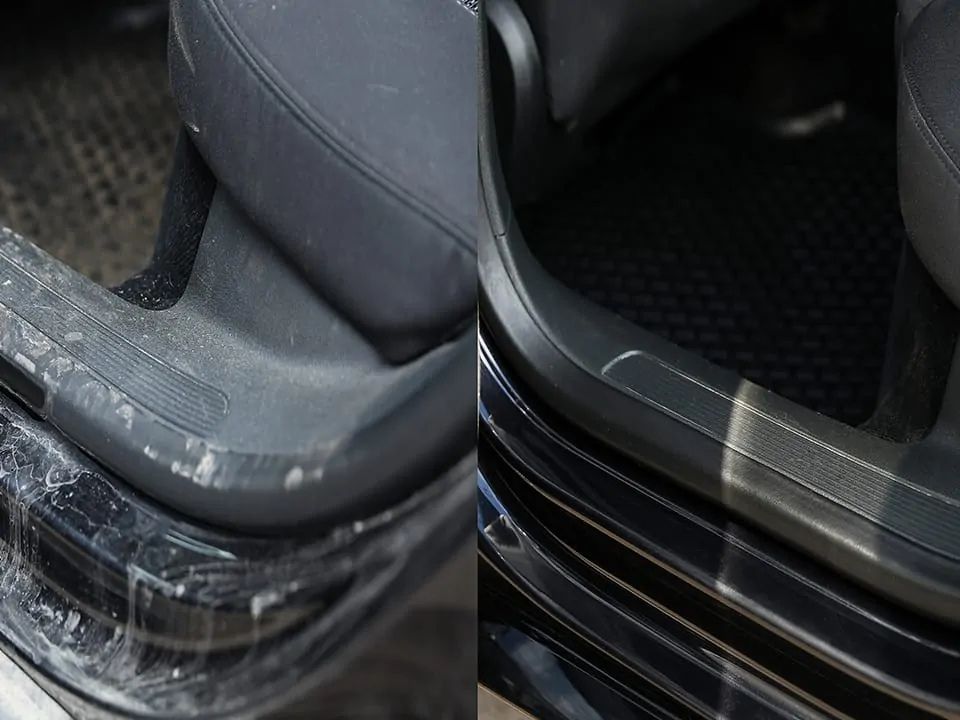
Cleaning mats is certainly one of the best practices for living in a healthy, comfortable environment—but the most effective strategy isn’t obsessive cleaning. It’s adopting smart habits that drastically reduce the chances of your mats getting dirty in the first place. Turning these gestures into a routine will save you time and effort, while keeping the whole cabin cleaner and more welcoming. Think about one simple detail: most dirt comes from outside, so before getting in, you should have clean shoes. Especially after rainy days or a relaxing walk in nature, it helps to knock your shoes against the curb. Abrasive particles like sand and small stones don’t just dirty the mats—they act like sandpaper, wearing down the fibers over time. Watch out for a wet umbrella too: water residue can be absorbed by textile fibers and, over time, turn into constant humidity and mold. If you travel with pets, using protective covers or brushing their coat before you leave can significantly reduce the spread of hair and dirt.
But the second major enemy of mats is food and drinks. Ideally, you should avoid eating in the car… crumbs from bread, chips, cookies—especially when traveling with little passengers. Those residues eventually spoil and become a source of bad odors.
It’s also best to avoid cluttering the cabin with papers or other items. Keep a small bag always ready to collect trash, so mats stay free from mess and dirt.
Adopting these simple habits doesn’t require extraordinary effort—just a bit of awareness. In the end, that’s the whole point: never neglect anything, not even what seems less important. A truly clean car isn’t only about shiny bodywork. It’s also a welcoming cabin, starting with the mats under your feet. With The Care products, you can turn a frequently overlooked task into comfort and protection—because every detail, even the most hidden one, speaks of attention and respect for your car.