

You always notice it too late. Doors that start to resist… drafts of cold air slipping in when it’s freezing outside, and that annoying squeak of dry rubber every time you open the trunk. And yet, it would take very little to prevent the cold from irreversibly damaging your car’s seals. But who really thinks about it? Seals are among the most overlooked parts of a vehicle, yet they are also among the most exposed to sun, rain, ice, dust, and smog. Day after day, they lose elasticity and begin to crack, fade, and harden. So how can you step in—and do it in time?
In this new guide you’ll find:
- When the cold causes invisible damage
- Restore color, protect for a long time
- A gesture to be repeated, with method
When cold causes invisible damage
Cold never comes alone. It almost always brings ice, moisture, biting wind—and while for us a coat may be enough, things get more complicated for a car. After damp, freezing days, the damage starts to show: today it’s a fogged-up windshield, tomorrow a battery struggling to start, and then one day a door that won’t close properly. It’s the seals. You don’t think about them—until it happens. Then come drafts, leaks, and the growing discomfort of a car that seems to lose solidity, insulation, and comfort. These rubber components are designed to adapt to the constant movement of the bodywork.
But like any living material, they need hydration—and it’s precisely during winter that this need becomes more urgent. Alternating hot and cold temperatures, exposure to rain and frost, and prolonged contact with debris and urban grime can accelerate the hardening process. The visible effects are micro-cracks along the surface, a dull, faded color, and a loss of insulating performance. In these cases, the best ally is Plastic Refresher—a specific treatment designed to renew and protect seals and exterior plastics. It’s a light fluid that can be applied in just a few minutes using a panno in microfibra on clean, dry surfaces, restoring tone, elasticity, and protection against UV rays and pollution. It helps prevent the “dry rubber” effect and the formation of the typical grayish film, keeping seals soft and protected. It leaves no oily residue and can also be used on exterior plastics. Ideally, the treatment should be repeated every two months, or during seasonal changes such as October and March.
Restoring color, protecting for the long term
Sometimes prevention isn’t enough, because we realize too late that exterior plastics and seals are already worn and marked by time. Their color tells a story of countless rainy days and endless hours in the sun. This is certainly a functional issue—but unfortunately an aesthetic one too, as the car loses definition and surfaces seem to age all at once. But it’s not too late. Fortunately.
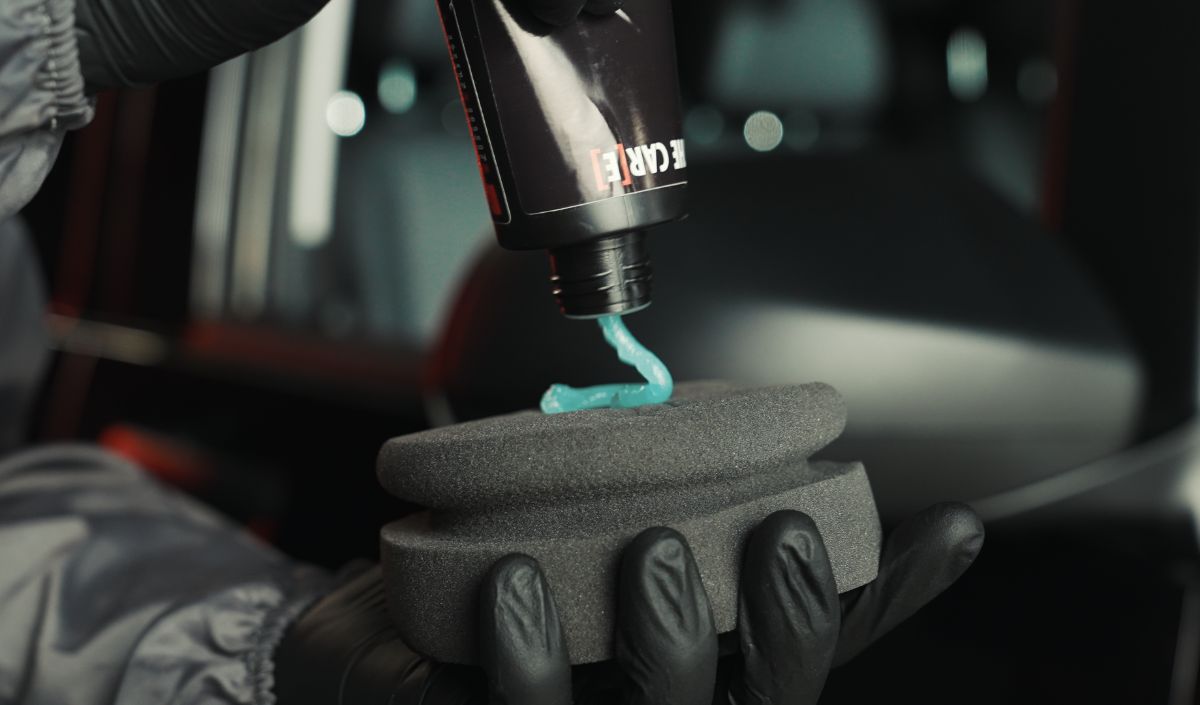
In these cases, you need a product capable of restoring the original color, bringing back uniformity and offering long-lasting protection, such as Plastic Restorer Black. This is a black protective solution designed to regenerate faded exterior plastics and seals without altering the material’s natural appearance. Its effect isn’t just visual—it’s protective too. It doesn’t merely recolor, but creates a resistant coating that isolates surfaces from further weather damage. Once applied correctly, it forms a barrier that withstands sun, rain, frost, and washing. The final result is a deep, rich black with no glossy effect and no plastic feel—just a surface that looks alive again, consistent with the car’s design, and actively protected against aging.
It’s important to apply the treatment on perfectly clean, dry surfaces, free of residue, using the integrated sponge or a manual pad to spread a small amount evenly with slow, circular motions. For best results, apply it in a space that isn’t too cold—ideally sheltered or in the shade—so the product can set properly. This treatment can be repeated every three to four months, or whenever the visual effect begins to fade. Even after the first application, the difference is clearly visible.
A gesture to repeat, with method
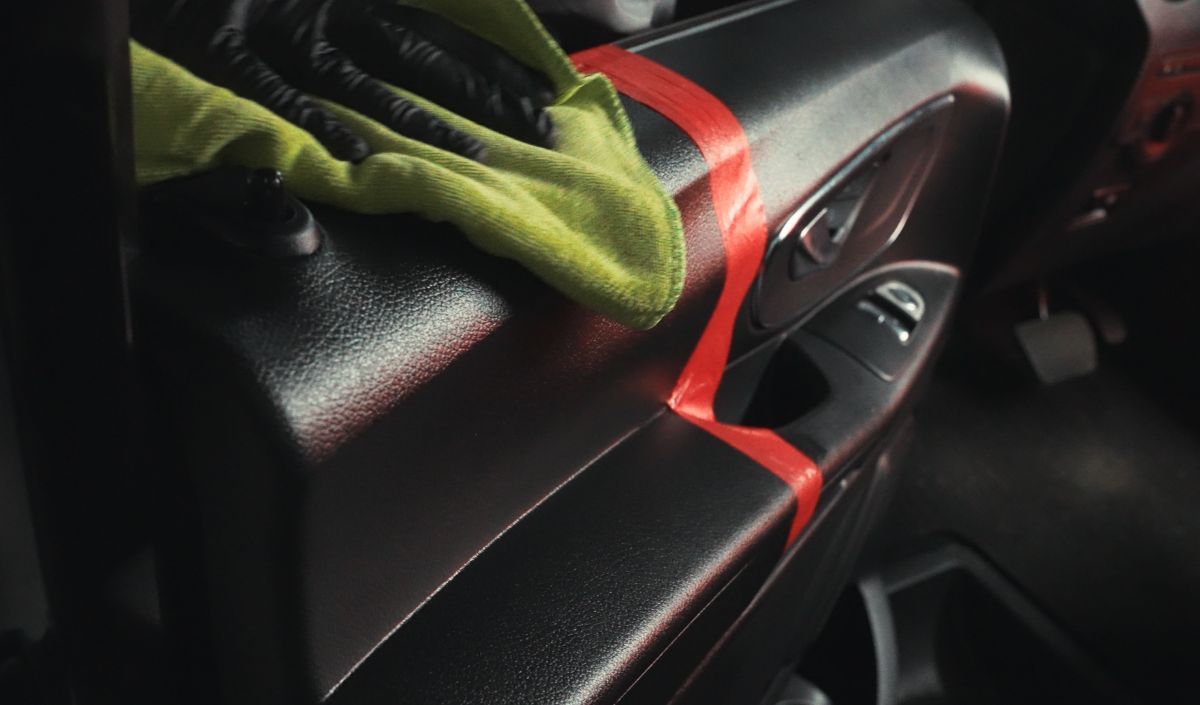
As with all parts of a car, durability depends not only on product quality but on how regularly it’s applied. Seals should be treated at least three to four times a year, more frequently during seasonal transitions. Autumn is an ideal moment to prepare for winter stress, and spring is equally important to restore elasticity after months of cold.
Those living in particularly humid areas or regions with strong temperature fluctuations should consider these treatments an integral part of regular maintenance—just like checking oil levels or cleaning the windshield. Protecting seals should become a simple habit.
You don’t need excessive amounts of product or complicated tools. Just choose the right solutions. The Care was created with the idea that every part of the car—even the smallest—deserves effective, easy-to-use, long-lasting care. And let’s remember: protecting your car isn’t only about aesthetics. It means preserving efficiency, preventing future damage, reducing replacement costs—and above all, having the awareness that you’ve done something good. Even if it’s invisible.