
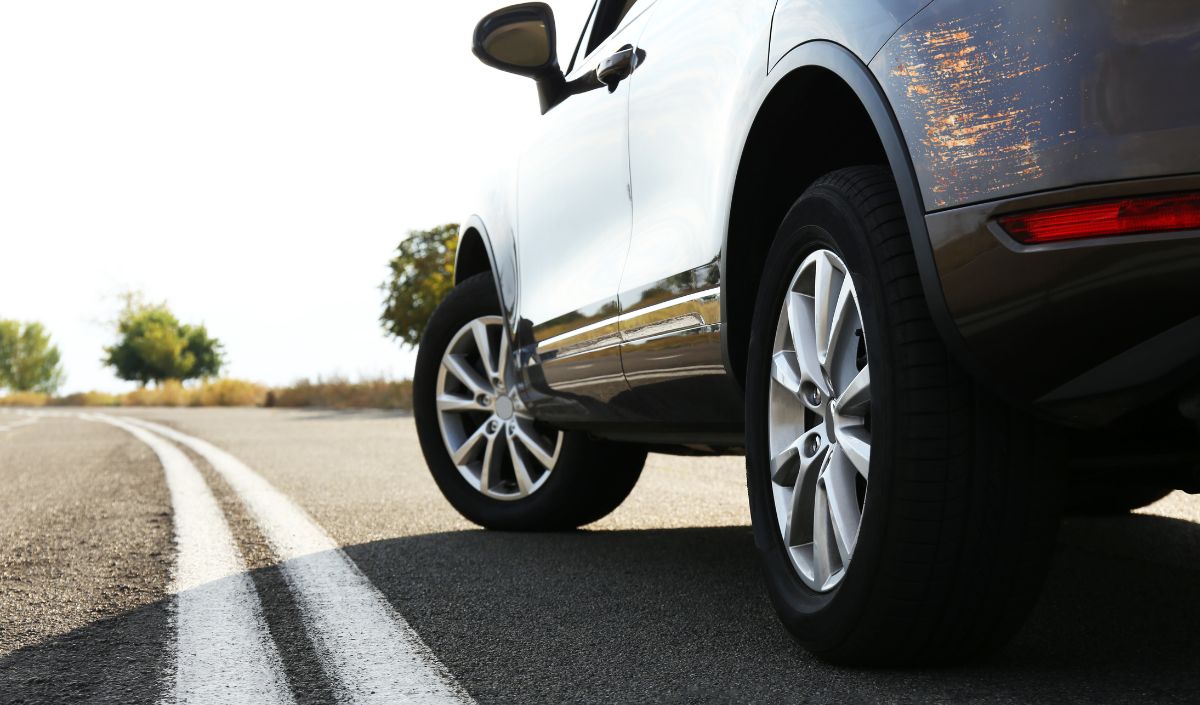
And yet, it only takes a little for moisture to find a way in. When water and air come into contact with exposed metal, oxidation begins. That’s the start of rust. It starts out almost invisible, silent — and then it gradually advances beneath the paint, creeps into the most hidden points, and becomes an incalculable kind of damage that first of all eats away at the paintwork.
It’s a natural chemical reaction, but it must be prevented — and fortunately you don’t need a body shop… if you catch the damage in time.
Autumn and winter, with frequent rain and roads dirty with mud, increase the risk — just like de-icing salt, used in many cities, which speeds up the corrosion process even further. Even those who live in coastal areas are affected, because salty air shows no mercy.
- Where to look and what to notice to recognize the first signs of rust
- The essential, timely steps to stop rust
- Preventing rust means consistent care, smart protection
So let’s understand how to recognize the early signs of surface rust and act promptly — before it spreads. Before it gets complicated. Before it becomes a serious problem.
Where to look and what to notice to recognize the first signs of rust
Let’s start from a key point: not all scratches are the same, and not all stains are caused by mud… very often it comes down to telling the difference between accumulated dirt and early-stage oxidation. The issue is that, to the naked eye, oxidation isn’t always easy to recognize right away. A good first tip is to look at your car up close in daylight, but without direct sun. Natural light helps you spot those almost imperceptible color variations that might slip by in other conditions.
Pay attention to the less “visible” areas too, such as the inner folds of the hood, the lower part of the doors, or the edge of the trunk. That’s where moisture and dirt build up. That’s where rust often makes itself at home. And don’t forget scratches — even small, superficial, seemingly harmless ones that look like they’ve only marked the clear coat. Surface rust often appears as a slightly rough film, tending toward reddish or brown tones. Sometimes it looks dull. Other times it has a powdery texture.
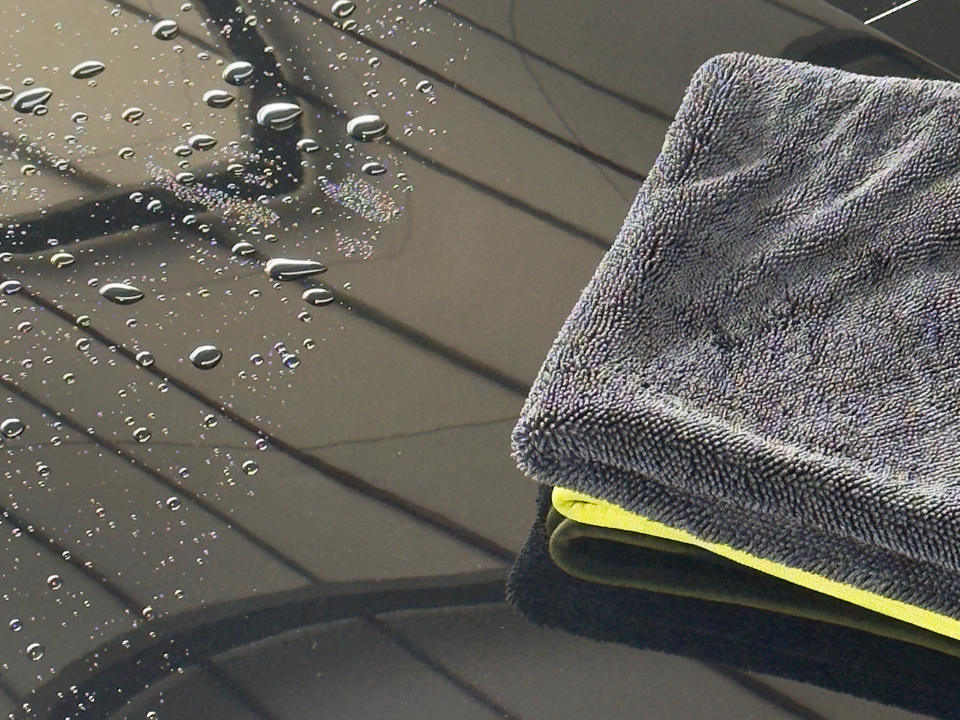
You don’t notice it right away. A reliable method is to run a finger over it — or better yet, a soft cloth. If you notice a small dull mark under the paint, with irregular edges, you’ve probably found what you were hoping not to find: rust.
What should you do at this point? Once you spot a suspicious area, you need to act carefully — but quickly. Because surface rust, if treated in time, can be removed without leaving a trace.
The essential, timely steps to stop rust
Once you’ve identified the problem, the temptation is to ignore it — especially if it looks small, harmless, manageable, something to handle “another time.” But rust is no joke. Because what today is just a dull halo can become, tomorrow, a crater that compromises the metal. So you need to act immediately.
First of all, you must clean the affected area thoroughly, removing every trace of dirt, dust, smog, and even grease. The cleaning needs to be effective yet gentle — focused on preparing the surface without attacking it.
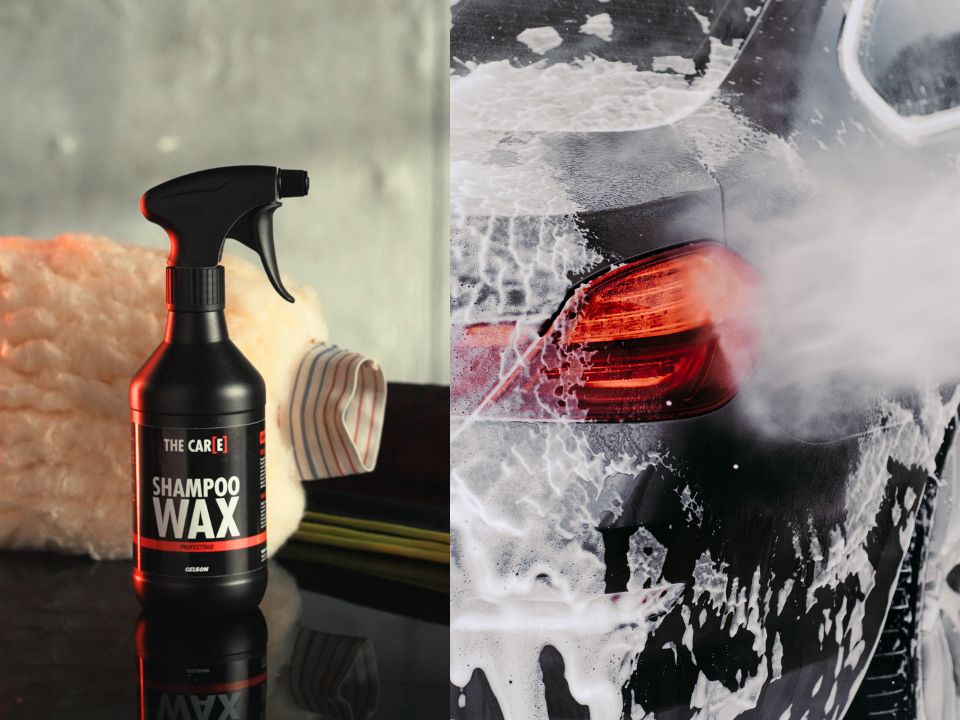
If the area is large and the bodywork has a glossy finish, you can start with a wax-rich, gentle shampoo such as Shampoo Wax for glossy cars, and Matt Paint Cleaner for matte finishes. You can get the best results with these two cleansers by using Shampoo Glove, a quality wash mitt that captures dirt without scratching. If instead you’re dealing with a small, localized area, you can use a microfiber cloth well dampened with warm water and a few drops of detergent. You can use Microfibre Cloth green — the important thing is not to scrub, but to guide the movement gently, without pressing on the bodywork.
After drying the surface with a high-absorbency cloth such as Microfibre Cloth, look again at the critical spot. If the rust is still superficial — meaning it hasn’t attacked the metal, only the outermost layer — you can move on to mechanical removal and a protective treatment.
For this purpose you can use Rubbing Compound black, an abrasive compound suitable for removing light oxidation and specifically intended for dark or black cars. If your car has lighter paintwork, you can opt for Rubbing Compound white. Apply either compound with Hand Pad Polishing using controlled circular motions, limiting your work strictly to the affected area. If you have a light-colored bodywork and the marks are milder, you can choose T47 Polish, which is gentler yet effective at restoring gloss and removing imperfections on lighter surfaces — or T57 Polish for darker cars.
Once this phase is complete, remove any residue with a clean, dry microfiber cloth. At this point, the area will be ready to be protected — and this is one of the most important steps to prevent oxidation from returning.
To create a barrier against humidity, rain, smog, and UV rays, finish by applying a protective wax such as Polishing Protective Wax. It spreads easily, contains no abrasives, and is safe even on trim and external plastics. Its protective action is twofold: on the one hand it isolates the treated surface, and on the other it enhances gloss, restoring visual uniformity to the whole.
Preventing rust means consistent care, smart protection
The truth is that no treatment, however meticulous, can replace consistency. Even a small neglected mark — like a drop of water left there for days — can turn into a real problem. Prevention, therefore, is the sum of everyday attentions that build long-lasting protection. And you don’t need to be a detailing professional to make a difference. Simple gestures are enough — as long as they’re regular. And of course, the right products help immensely.
The Care supports you on this journey with professional, easy-to-use solutions designed to protect every surface of your car over time — from glossy paints to matte finishes. Discover all the products for car care and protection and start preserving its beauty today.